Teenagers know the planet is in trouble. What they don't have is one small thing to do about it today.
Nokino is a gamified sustainability app for teens aged 13 to 19. Inspired by Duolingo, it turns learning into a competitive, interactive experience — narrative lessons, mini-games, and real-world action challenges. It's built as a disposable learning tool: it encourages lasting sustainable habits without demanding endless screen time.
Awareness isn't the problem. Paralysis is.
Traditional sustainability education isn't working for Gen Z — it's too complex, too theoretical, and frankly too boring. Teens are highly aware of climate change, but the sheer scale of it produces eco-anxiety rather than action. What's missing is a set of clear, bite-sized steps they can actually take in daily life.
of teens are concerned about the climate but struggle to find easy, actionable steps to help.
average daily screen time for teens. To change their habits, we have to meet them where they live.
Understanding the teen mindset.
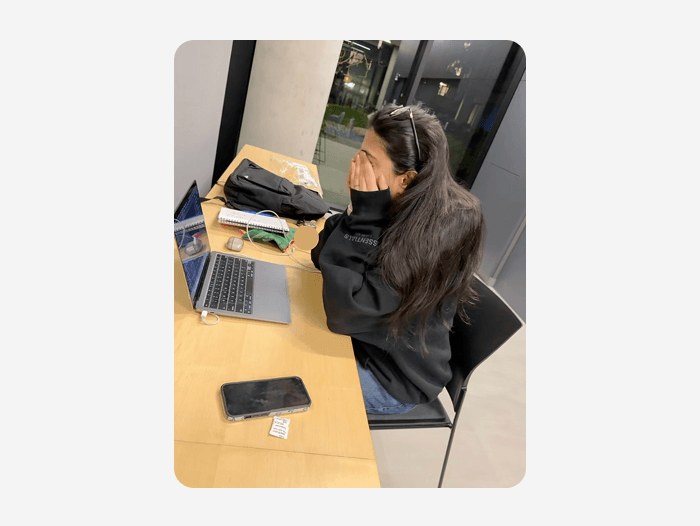
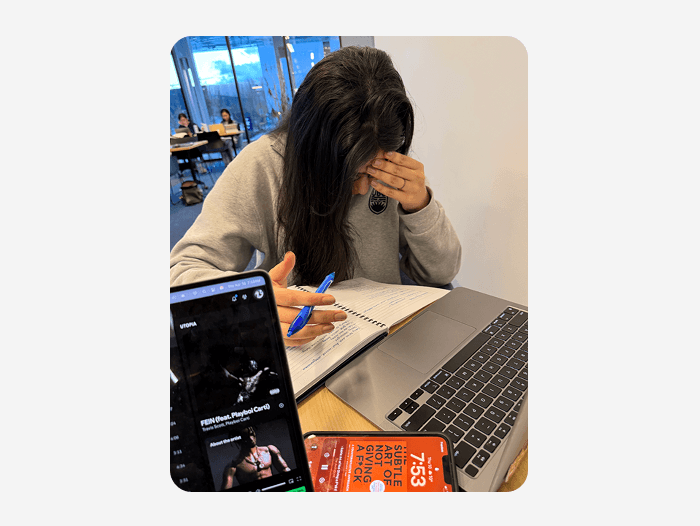
I dug into how teens actually build habits, and two findings shaped everything that followed.
Gamification drives commitment.
A competitive analysis of apps like Duolingo and Forest showed retention climbs when rewards are tied to real-world impact and social competition — not just points for points' sake.
Small beats big.
Referencing B.J. Fogg's Behaviour Model, I realised big lectures fail. Small, bite-sized tasks paired with instant gratification are what actually build habits over time.
Learn by doing, not by reading.
Instead of dense articles, users needed to learn through action. The system had to be fun enough to compete with social media, yet structured enough to leave them with real, lasting habits.
Simple daily challenges — taking the bus, using a reusable bottle.
Progress and failure carry weight — enter Noki, whose survival depends on the user.
Points translate into real discounts at local thrift stores and sustainable brands.
Turn overwhelming climate anxiety into one small thing you can actually do today.
The cutting room floor.
Finding a genuinely useful angle on sustainability wasn't easy. These are the ideas that had to die so Nokino could live.
A social app to network with people over sustainability goals.
Teenagers do not care about networking.
A fashion app focused strictly on thrifting and dressing to impress.
Too boring and singular in focus.
A Pokémon Go style app rewarding local beach cleanups.
Parents won't let teens wander to beaches, and AR was out of scope.
Stage 01: the task flow.
The first concept centred on daily eco-tasks, basic rewards, and a trash-sorting mini-game, with Noki introduced as guide and cheerleader. It was a start — but testing with a 16- and an 18-year-old surfaced real friction fast.
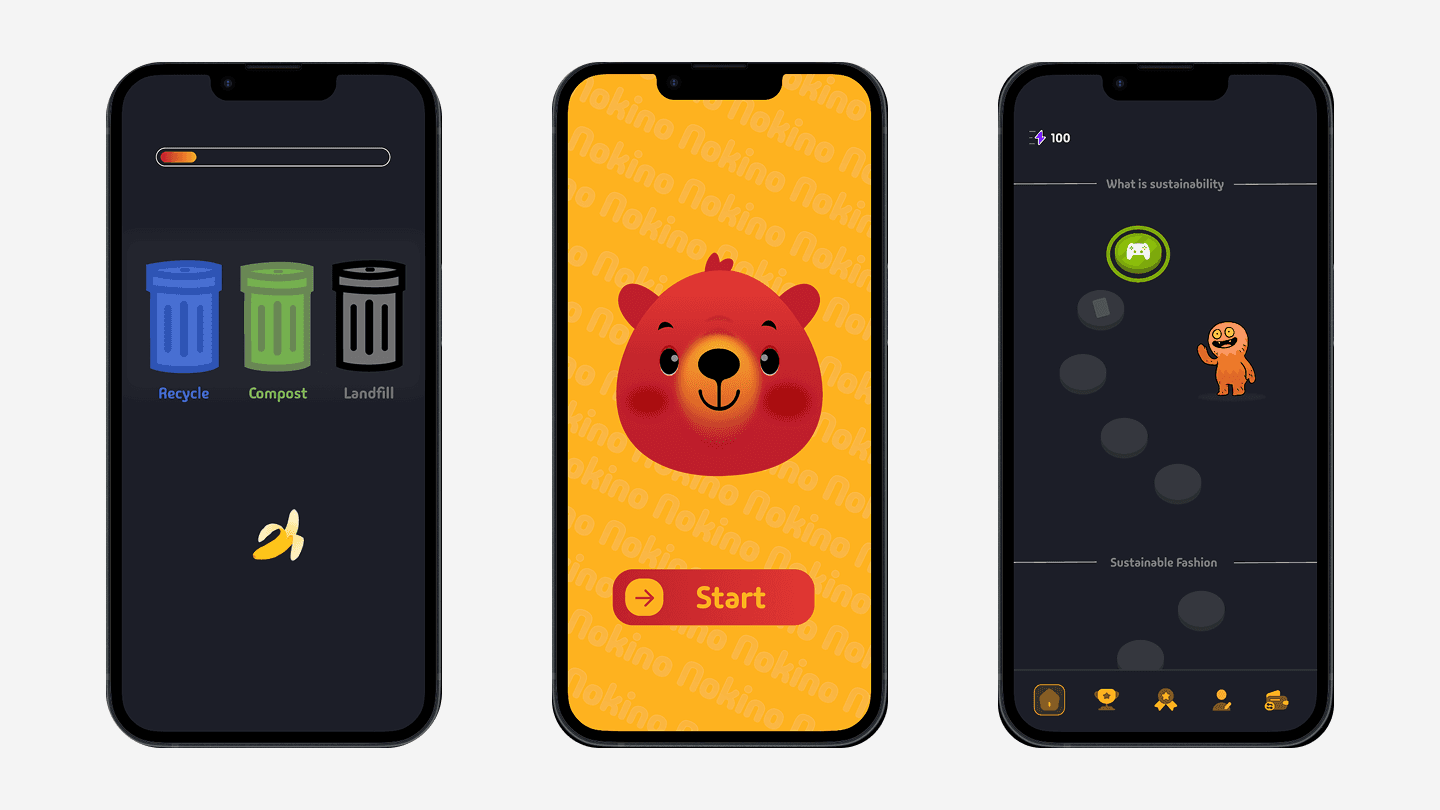
The sorting game gave no immediate feedback, so users couldn't tell if they'd sorted correctly. After a task, the menu offered no clear path forward, and static backgrounds let engagement drop. This iteration made it obvious: the UI needed serious work before moving on.
A tight five-level loop.
Content is grouped into four tracks — What is Sustainability, Sustainable Fashion, Zero Waste Living, and Energy & Climate. Each one runs on the same five-level progression to keep momentum high.
High-energy hooks like Recycle Rush that test reflexes and baseline knowledge.
Bite-sized microlearning that delivers essential facts without walls of text.
Real-world integration - take the bus, or use a reusable bottle.
Narrative-driven decision-making scenarios hosted by Noki.
Reinforcing knowledge to earn final NokiWatts and virtual badges.
Pixels, polish, and play.
The final UI trades the confusion of Stage 01 for a vibrant, game-like system — built around the mascot, real-world scenarios, and instant feedback.
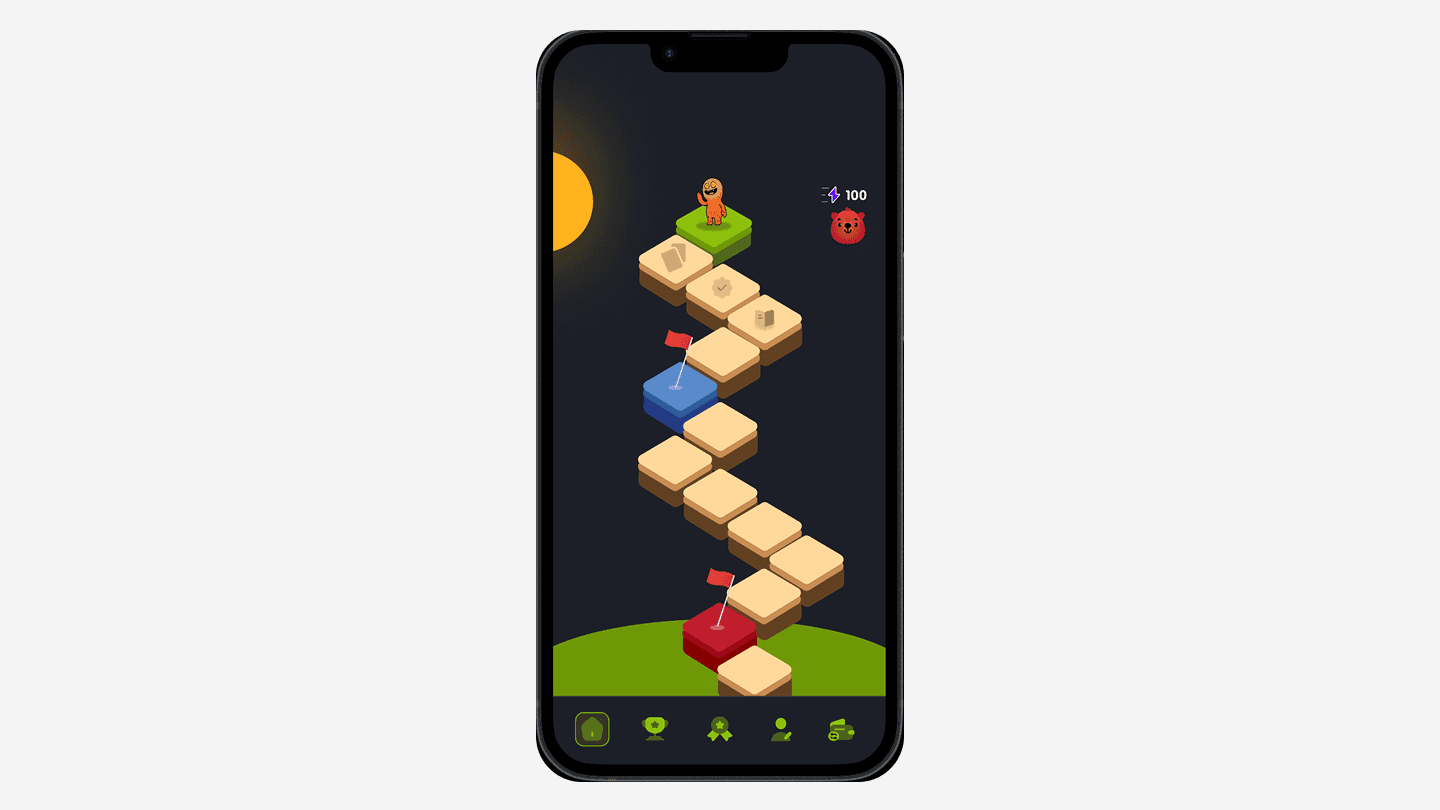
The mascot-driven hub.
A clean, vibrant interface in earthy tones with bright accents - energetic but grounded. Noki acts as guide and stakes at once: soft round shapes make him approachable, while his energy mechanic keeps users accountable for their daily tasks.
Clear track paths replacing the confusing menus of Stage 01.
Energy levels tied directly to the mascot's wellbeing.
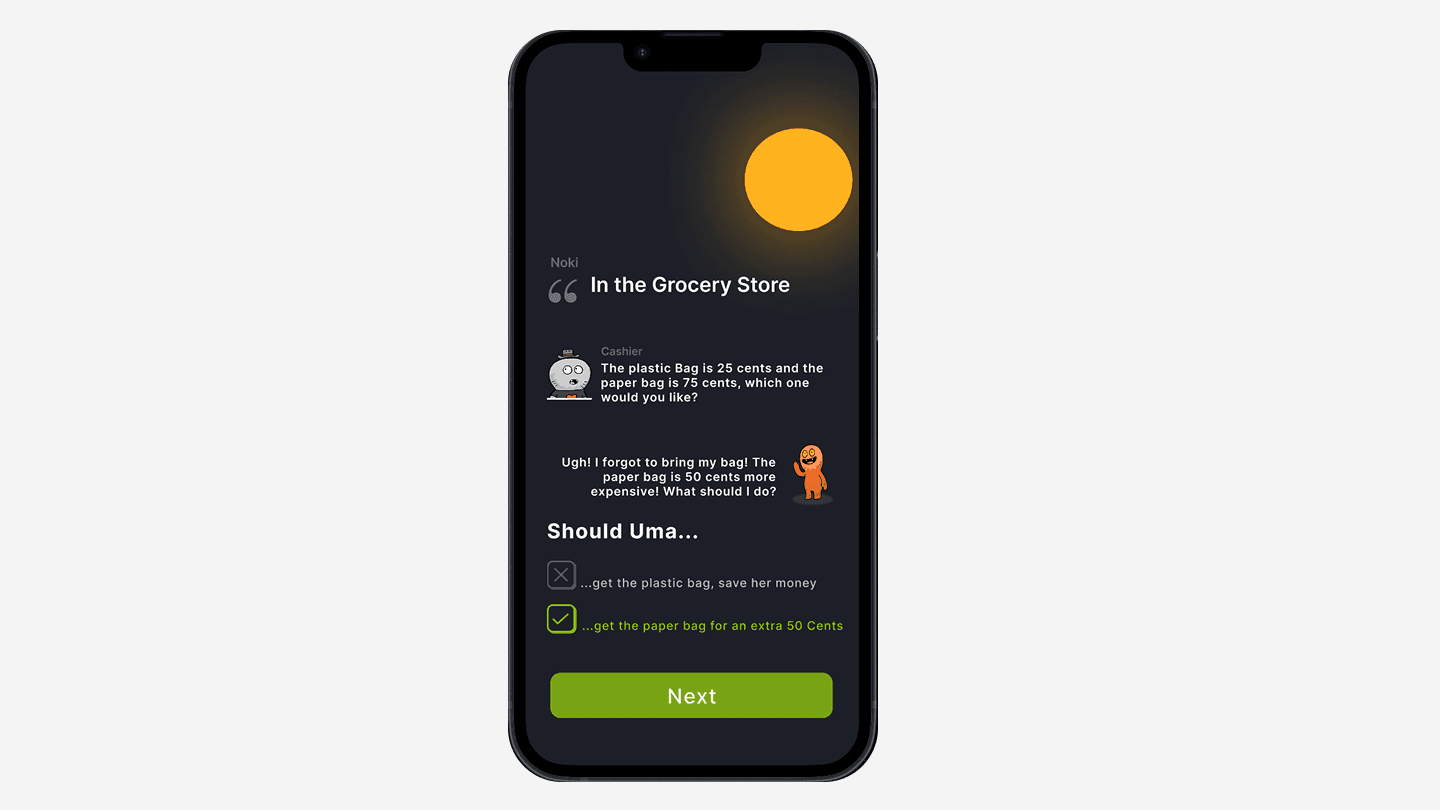
Narrative decision-making.
Users are dropped straight into real-life scenarios - like choosing between a 25-cent plastic bag or a 75-cent paper one at checkout. Framing sustainability as relatable role-play helps teens connect abstract concepts to everyday spending.
Clear consequences for every choice made.
Moving beyond theory into actionable daily scenarios.
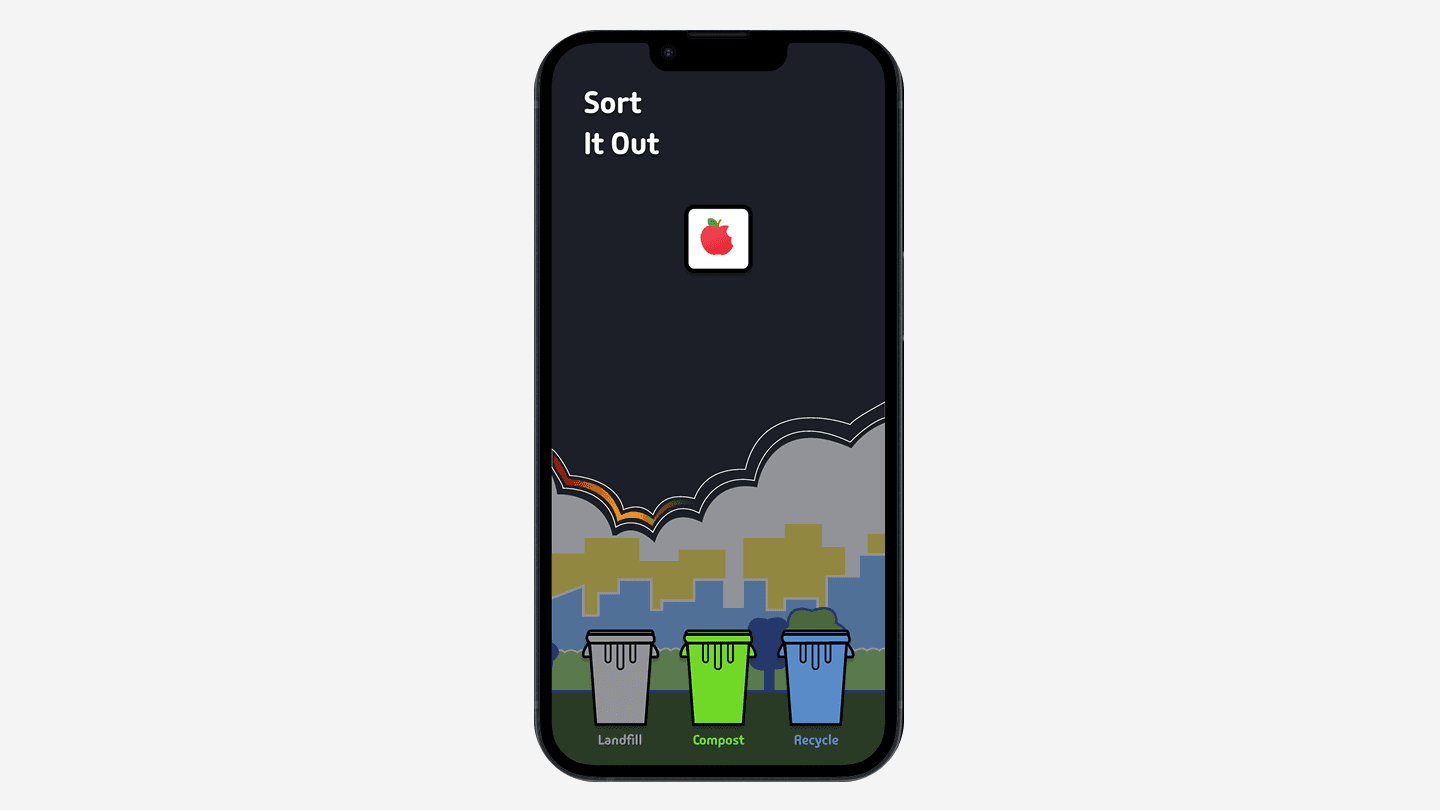
High-speed sorting.
The final version of the trash-sorting mechanic, rebuilt with immediate visual feedback to fix the confusion from early testing. Real-time indicators build confidence and reinforce the loop without frustrating the player.
Keeping engagement high and competitive.
Subtly teaching proper waste management under pressure.
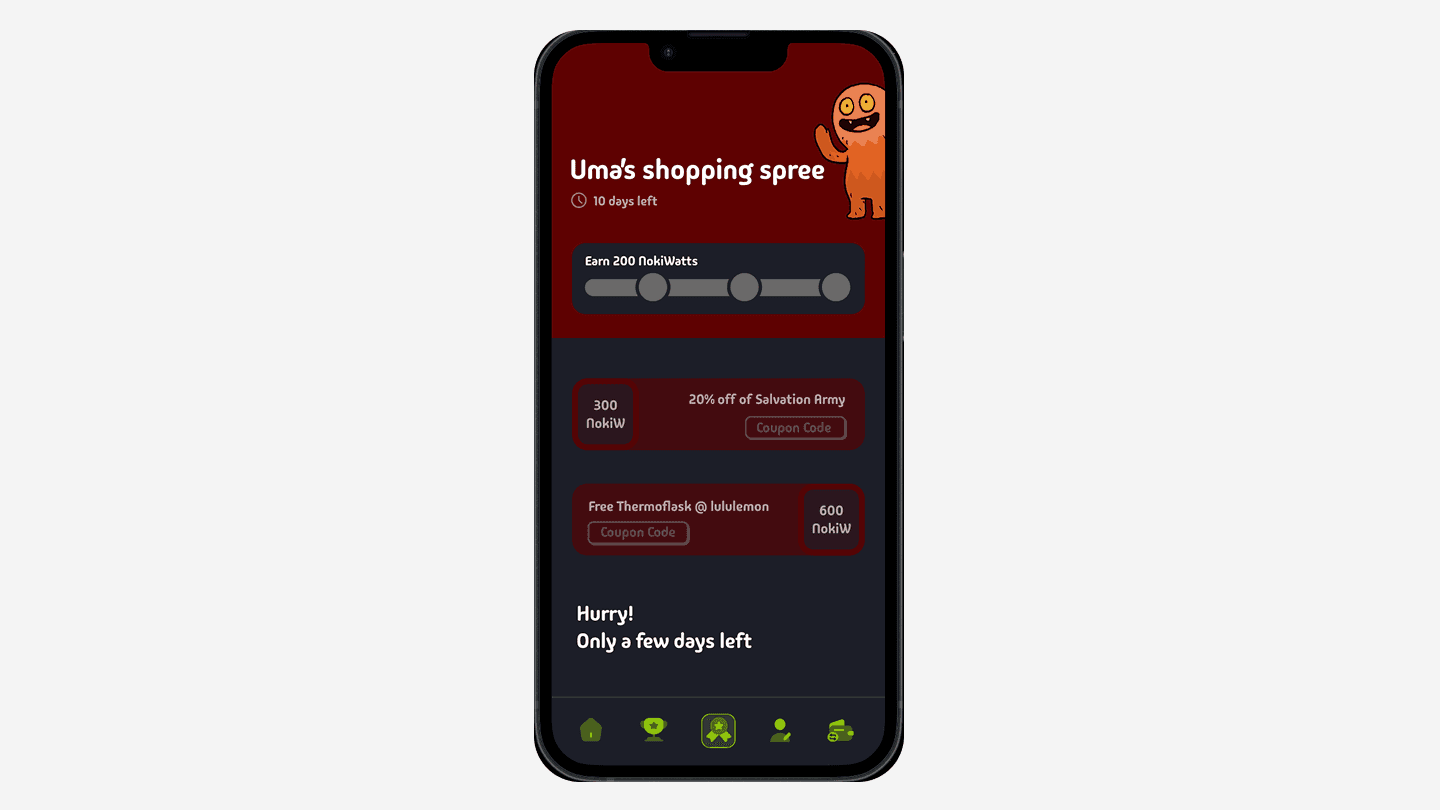
Tangible incentives.
The bridge between the app and the physical world. Users track progress against friends and trade virtual achievements for real discounts - because virtual points alone rarely drive lasting habit change for teens.
Compete with friends and local communities.
Unlock discounts at thrift stores by completing eco-challenges.
Behind the screens.
Balancing gamification with education was genuinely hard. I kept having to simplify complex sustainability concepts so they never felt preachy or overwhelming for a younger audience. The whole point was a disposable learning tool — an app teens outgrow because the habits have already transferred into real life.
Polishing the UI meant a new Figma page for nearly every micro-transition on the home screen — a massive effort for half-second interactions, but exactly what sold the premium, game-like feel. The late nights mapping Noki's states and refining the Recycle Rush logic taught me the real distance between a good idea and a viable, engaging product.